A course structure that turns shop-floor moments into repeatable habits
The programme is organised into short modules you can run in team huddles, onboarding blocks, or weekly refresh sessions. Each part links a sales objective to a practical tool: a checklist, a script, a role prompt, or a handover routine.
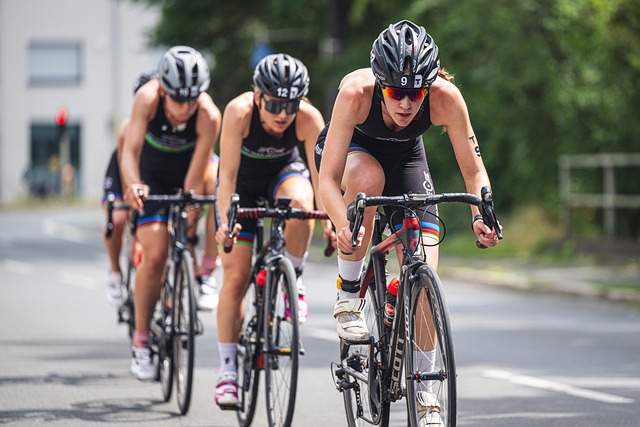
Every module ends with a “use it tomorrow” action: one question set, one comparison method, or one handover routine to trial on the floor.
Format: brief lesson → prompts → checklist
How the curriculum is organised
Bicycle sales involves two parallel skills: building trust through a calm consultation, and explaining technical choices without a spec dump. The course structure reflects that reality. Modules are grouped by the moments that actually happen in a bike shop: first contact, needs analysis, selection, test ride, handling objections, checkout, and handover. Each group includes language patterns, guardrails for fit conversations, and a product-knowledge translation method so staff can map features to outcomes.
The emphasis is consistency. A repeatable discovery flow keeps notes coherent across shifts. A shared comparison framework prevents staff from improvising different “best bike” explanations. A defined next-step close reduces the awkward finish where a customer says they will think about it and disappears. This is training for retail communication, not a substitute for manufacturer product clinics or mechanical instruction.
Six module groups, one consultation standard
The curriculum is grouped by the customer journey: opening, discovery, recommendation, decision, checkout, and aftercare. Each group contains a short lesson plus a tool you can reuse: question sets, a comparison ladder, and a handover checklist.
Retail language library
Phrases for summarising needs, framing trade-offs, and setting next steps without pressure.
Spec-to-outcome method
Convert geometry and component talk into ride feel, use cases, and maintenance expectations.
Role prompts for real shop moments
Short practice prompts for objections, comparison shopping, and test-ride follow-ups. Designed for 10-minute team drills without turning into theatre.
Fit conversation guardrails
Keep sizing and comfort checks clear and in scope, with clean hand-offs to fitting services.
Handover checklist
A consistent aftercare rhythm: bedding-in, first service timing, and what “normal” feels like.
The learning flow (from module to habit)
The structure is designed to help staff remember what to do when the shop is busy. Instead of long lectures, each module follows a simple loop: a short concept, a practical example, a role prompt, then a “floor test” that can be used in the next shift. Managers can run the same loop in onboarding, in-season refresh, or as a weekly improvement cycle.
-
01
Learn one concept with a concrete retail example
Each lesson starts with a familiar moment: a customer comparing two gravel bikes, a commuter asking about tyre width, or a parent shopping for a first proper bike. The point is to anchor language to a scenario, not to memorise theory.
-
02
Use the tool: checklist, script, or comparison ladder
Staff apply a single tool immediately. Examples include a discovery checklist (surface, distance, storage, comfort tolerance), a spec-to-outcome translation template, and a three-point trade-off explanation that keeps recommendations honest.
-
03
Practice with a short role prompt (10 minutes)
Role prompts are tight and practical: one person plays the customer, one responds, and a third listens for clarity. The aim is not performance; it is to build a shared vocabulary for objections, lead times, and “I will think about it.”
-
04
Run a floor test and capture what happened
The final step is a small experiment: use the questions or the handover checklist in real consultations for one week. Staff capture notes on what worked, where customers got stuck, and which phrases felt natural.
Example module map
Below is an example of how modules are framed. The intention is to make each part teachable in a short session, then usable without re-reading slides. Teams can sequence modules to match their season: commuter peaks, spring service rush, or new model launches.
Group A: Opening and discovery
Focus: first contact, establishing intent, and collecting constraints without interrogating. Includes a “three-layer discovery” method: riding context (where and when), constraints (budget, storage, timing), and comfort tolerance (posture, reach, confidence).
- Discovery checklist for notes that another staff member can pick up
- Two-sentence needs summary that customers can repeat back
- Boundaries for when to recommend a professional bike fit
Group B: Recommendation and comparison
Focus: translating options without overwhelm. Staff learn to present two or three models with a consistent comparison ladder: “best fit for needs,” “next best,” and “value alternative,” with clear trade-offs around comfort, gearing range, and maintenance.
- Spec-to-outcome phrases for geometry, tyre width, and braking feel
- How to explain trade-offs without undermining the recommendation
- A test-ride debrief script that leads to a clear next step
Group C: Objections, timing, and checkout clarity
Focus: keeping momentum while staying honest. This group covers price framing, availability and lead times, deposits, and how to avoid surprises. Staff practice a calm objection loop: acknowledge, clarify, offer a structured option set, then propose the next action.
- Objection mapping for price and comparison shopping
- Clear language for deposits, reservation, and collection steps
- Written recap template to reduce follow-up confusion
Group D: Handover and aftercare routines
Focus: delivery as part of the sale. Staff use a practical handover checklist that covers bedding-in, tyre pressure guidance, basic care, and service timing. The goal is fewer misunderstandings and clearer expectations.
- A “first 30 days” explanation customers can act on
- Service scheduling language that avoids vague promises
- Escalation paths: what to do if something feels off
Disclaimer: This website provides educational materials only. Training outcomes depend on implementation, product availability, market conditions, and staff experience. We do not guarantee specific sales or business results.
Request the full module outline
Share your name and email to receive course structure details and registration guidance. We use your information only to respond to your request and provide the training information you asked for. We do not sell personal data.
Turn training into a consultation standard your team can keep
Get the full module outline, recommended sequencing, and the practical tools used in each part of the curriculum.