Train your team to sell bicycles with clear consultation and confident product guidance
jaqvenric is an educational programme for bicycle retailers and sales staff. Learn a repeatable consultative sales flow, fit-and-usage discovery, and communication habits that keep customers informed and comfortable.
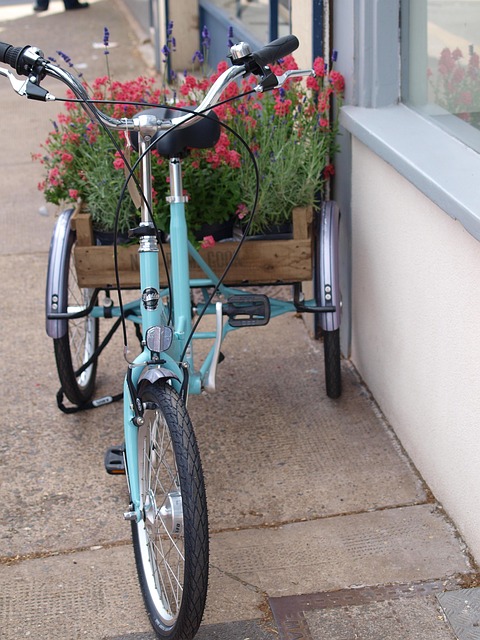
A good bike sale is a guided decision. The course teaches discovery questions, spec translation, and a calm close that keeps returns and misunderstandings down.
Training approach: needs analysis → options → fit → next steps
Founded
2021
Purpose-built for bicycle retail training
Curriculum focus
Consultation
Discovery, fit logic, and next-step clarity
Product knowledge
Explained
Translate specs into ride outcomes
Delivery
Team-ready
Use in onboarding and refresh sessions
What jaqvenric teaches (and how it’s used)
Bicycle retail is a detail business. Customers often arrive with partial information, strong preferences, and a wide spread of budgets. The course is designed to help staff run a structured consultation without sounding scripted: clarifying riding context, frame intent, geometry comfort, and usage cadence before jumping into brand-specific talk. It also covers how to explain components in plain language, how to compare models without “spec dumping”, and how to handle common friction points like availability, lead times, returns, and service scheduling.
The training uses practical tools that work on the shop floor: a discovery checklist, objection mapping, a fit conversation that stays in scope, and a handover routine that reduces avoidable follow-up questions. It does not replace hands-on product training from manufacturers; instead, it helps teams connect features to outcomes and communicate trade-offs honestly. That mix tends to improve customer confidence and keeps conversations consistent across the team.
Course highlights built for bicycle retail
Each module is short, practical, and meant to be applied immediately. The goal is consistent conversations: better questions, cleaner explanations, and fewer surprises at checkout and after the sale.
The Consultation Blueprint
A repeatable needs-analysis flow that keeps conversations calm and specific: riding surfaces, distance, storage, comfort tolerance, and timing. Includes a lightweight script for summarising needs back to the customer and setting the next step.
Product Knowledge that Converts
Translate geometry, drivetrain range, and brake feel into outcomes. Learn “spec-to-story” phrasing that avoids jargon overload.
Fit Conversation Guardrails
Keep sizing discussions in scope: posture, reach, and comfort checks. Clear boundaries between consultation and technical fitting.
Handling Objections without Friction
A simple mapping for price, availability, and comparison-shopping. Includes phrasing for trade-offs and a “next best option” ladder to keep momentum.
Checkout Clarity
Explain deposits, lead times, and collection steps in plain English to reduce cancellations and misunderstandings.
Handover and Aftercare
A short delivery checklist, first-ride guidance, and service touchpoints that keep the relationship healthy after the sale.
How it works
The course is designed for real retail schedules. Use it for onboarding, refresh sessions before peak season, or to align the team on one consultation standard.
-
01
Start with a baseline consultation standard
Align the team on the same discovery questions and a consistent structure: context, constraints, comfort, and intended use. This reduces the “every staff member does it differently” effect and keeps customer notes coherent across shifts.
-
02
Build product explanations from outcomes
Learn how to move from specifications to consequences: gearing range for hills, tyre width for comfort, brake modulation for confidence, and geometry for posture. The course emphasises trade-offs so recommendations feel honest.
-
03
Practice common shop-floor moments
Price objections, comparison shopping, and “I’ll think about it” are handled through short role prompts and a response library. Staff learn how to summarise the decision and propose a next step without pressure.
-
04
Use the handover checklist for consistency
Delivery is part of the sale. The programme includes a practical handover routine: fit check reminders, first-ride guidance, service timing, and what to do if something feels off. That clarity reduces avoidable returns and confusion.
Success stories and practical outcomes
The examples below show how teams apply consultation structure and clearer language. Results vary by product mix, local market, and implementation consistency.
Case study: calmer comparisons on mid-range hybrids
Situation: Staff were answering spec questions well, but customers struggled to compare two or three bikes and often left to “research more.”
Approach: The team adopted a two-minute needs summary plus a three-bullet trade-off explanation (comfort, gear range, maintenance). They also used a consistent “next step” close: test ride, sizing check, then written options.
Outcome: The shop reported fewer circular conversations and a smoother handover from discovery to test ride. Staff time per consultation became more predictable during busy weekends.
Attribution: Daniel R., Floor Lead, independent bicycle retailer
Case study: fewer misunderstandings at collection
Situation: A busy store saw avoidable follow-ups after collection: questions about bed-in for brakes, tyre pressure, and first service scheduling.
Approach: The team used a short handover checklist and a “first 30 days” explanation that covered bedding-in, basic care, and when to book a check-up. Staff also confirmed key points in writing.
Outcome: The store reported fewer post-sale clarification calls, and service desk conversations became more focused on planned maintenance rather than surprise issues.
Attribution: Marta K., Service Coordinator, multi-brand bike shop
“The biggest change was our language. We stopped listing components and started explaining what changes on the road. Customers asked fewer repeat questions, and new staff had a clearer path to follow.”
Jonas P., Assistant Manager, city commuter bike store
“We used the objection mapping in team huddles. It helped us respond without defensiveness and made price conversations feel more respectful. The shop floor felt less tense on Saturdays.”
Elena S., Sales Supervisor, family-owned bicycle retailer
“The handover checklist was unglamorous but effective. It gave us a simple rhythm: fit reminders, care basics, and service timing. Customers left with fewer ‘unknowns’.”
Priya N., Team Lead, performance road and gravel shop
Module length
20–35 min
Designed for team sessions
Practice prompts
12
Common retail scenarios
Checklists
4
Consultation to handover
Implementation
Week 1
Start using scripts immediately
Registration form
Share your name and email to receive course details and registration guidance. We use your information only to respond to your request and to provide the training information you asked for. We do not sell personal data.
Disclaimer: This website provides educational materials only. Training outcomes depend on implementation, product availability, market conditions, and staff experience. We do not guarantee specific sales or business results.
FAQ
Quick answers about content, delivery, and data handling.
Who is the training for?
Does it cover specific bike brands or models?
Will this guarantee higher sales?
What information do you collect in the registration form?
How can I manage cookie preferences?
Bring consistency to every bicycle consultation
Use a single consultation standard across the team, explain specs in plain language, and set clear next steps customers can repeat back.